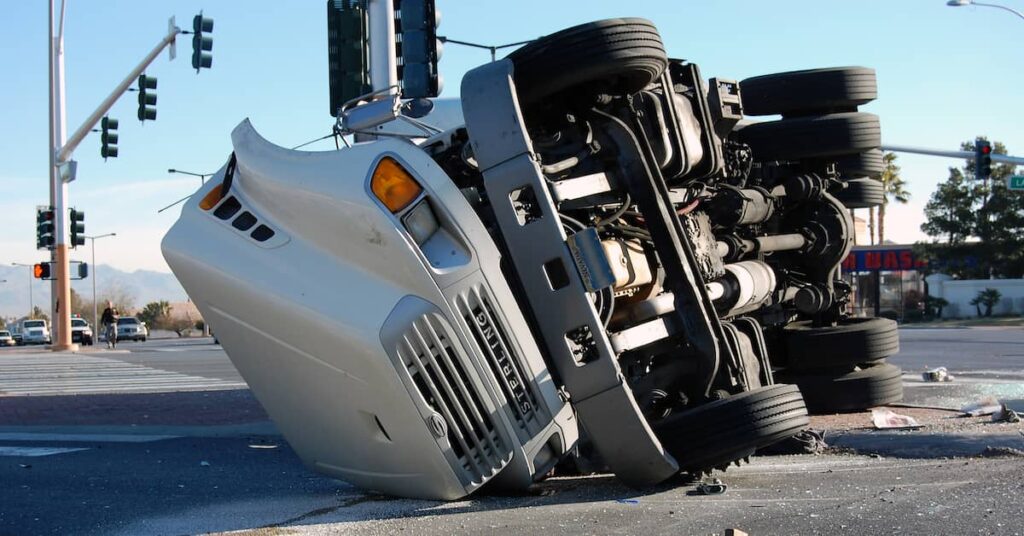
A collision with a semi-truck, delivery vehicle, tanker, or other commercial vehicle can leave people facing painful injuries, vehicle damage, missed work, and unfamiliar insurance questions. For people injured in Southern Nevada, speaking with commercial truck crash lawyers in Nevada can help them understand what evidence may matter, which parties may be involved, and what steps should be taken before crucial records disappear.
Trucking accident legal representation in Las Vegas is different from handling an ordinary car crash claim. A commercial vehicle may be connected to a driver, motor carrier, trailer owner, maintenance contractor, cargo company, broker, and multiple insurers. The best immediate approach is to protect your health, preserve what you can, and avoid making assumptions about who caused the collision.
What to Do in the First Few Minutes
After any serious crash, move away from moving traffic, leaking fuel, downed lines, or spilled cargo if it is safe to do so. Call 911, turn on hazard lights, and give dispatch the clearest possible location, including the roadway, direction of travel, nearby cross streets, or mile marker. Do not move a seriously injured person unless an immediate danger makes remaining in place unsafe.
Police, firefighters, and paramedics should direct the scene. Safety matters more than gathering evidence, and a person should never enter active traffic to take a photograph or confront a truck driver about fault.
Why Medical Care Should Come Early
Adrenaline can mask pain after a high-impact collision. Symptoms involving the head, neck, back, abdomen, or soft tissues may not become apparent for hours or days. Accept an evaluation from emergency personnel when appropriate, seek medical attention if symptoms develop, and follow through with recommended treatment.
Medical records can document when symptoms began, how an injury affected daily life, and what treatment was needed. Keep a simple journal of pain levels, appointments, prescriptions, physical limitations, and time missed from work. This information can support both medical care and a later insurance claim.
Documenting the Crash Scene
Truck collision scenes can change quickly. Vehicles are towed, debris is cleared, cargo is removed, and road conditions may look different later. If you are physically able and standing in a safe location, use your phone to capture wide shots and close-up details.
Useful Photos and Videos
- All vehicles, including damage from several angles.
- Lane markings, traffic signals, signs, barriers, and construction zones.
- Skid marks, broken parts, tire damage, debris, and cargo.
- Lighting, weather, roadway surface conditions, and visibility issues.
- Company logos, unit numbers, license plates, and USDOT markings.
Truck and Driver Details to Record
Commercial vehicles often have identifying information displayed on the cab or trailer. Record the driver’s name, the trucking company name, truck and trailer plate numbers, insurance information, USDOT number, unit number, and the names and contact details of witnesses. If possible, photograph documents rather than copying long numbers by hand.
Also, request the police report number and note the responding agency. Do not argue with the driver, apologize for the crash, or guess about speed, distances, mechanical problems, or who was at fault. A complete investigation may reveal facts that are not visible at the roadside.
Preserving Important Evidence
A truck crash investigation may involve evidence controlled by a company rather than by an injured person. This can include electronic logging device data, GPS or telematics information, onboard camera footage, driver qualification files, inspection records, maintenance history, dispatch messages, cargo documents, and post-crash inspection materials.
Driver fatigue can be an important issue in some cases because federal hours-of-service rules for commercial drivers limit driving time and require rest periods. Whether a rule applies, was followed, or contributed to a crash requires a fact-specific review of records and circumstances.
Keep your own evidence organized in a paper folder or secure digital folder. Save photos, videos, medical paperwork, prescriptions, repair estimates, towing bills, wage records, claim numbers, emails, texts, and any available dashcam footage. Avoid repairing, selling, or disposing of a badly damaged vehicle before it has been properly documented.
Speaking With Insurers
Reporting a crash to your own insurer may be required by your policy, but reporting the event is different from giving a broad recorded statement to another insurer. Provide basic, accurate information, but do not speculate. It is reasonable to ask who is calling, which company they represent, and what information they are requesting.
Be cautious before signing medical authorizations, releases, or settlement documents. A broad release may affect rights that are difficult to restore later. Nevada deadlines can also affect available legal options, so injured people should review the applicable provisions of Nevada’s limitation-of-actions statutes without waiting until a deadline approaches.
Common Causes and Responsible Parties
Commercial truck crashes may result from a single error or several interconnected failures. Common issues include distracted driving, unsafe lane changes, speeding, tailgating, fatigue, impaired driving, defective brakes or tires, inadequate maintenance, improper cargo securement, overloaded trailers, poor visibility, and unreasonable delivery pressure.
Responsibility may extend beyond the person driving the truck. Depending on the evidence, an investigation may examine the motor carrier, vehicle owner, maintenance provider, cargo loader, broker, manufacturer, or another party. For example, a rollover could involve excessive speed, a sharp curve, an unstable load, and inadequate training rather than a single isolated cause.
Building a Practical Recovery Plan
- Follow medical advice and attend scheduled treatment.
- Track out-of-pocket costs, lost income, and mileage for medical visits.
- Tell your employer about restrictions that affect your job duties.
- Arrange transportation or household help when injuries make daily tasks difficult.
- Consider counseling if anxiety, sleep issues, or fear of driving continue.
- Keep insurance communications and accident records in one place.
Recovery is rarely a straight line, especially after a serious Las Vegas truck accident. A written plan can make the process more manageable while allowing the injured person to focus on medical improvement rather than trying to solve every problem at once.
Common Questions
Should a vehicle be moved after a truck crash?
It depends on safety conditions, traffic hazards, local requirements, and instructions from law enforcement. If a vehicle must be moved out of danger, document its original position first when doing so is safe.
What if injuries seem minor at first?
Seek medical attention if pain, numbness, dizziness, headaches, confusion, or other symptoms appear. Some injuries are not immediately apparent after a collision.
How long can a truck accident claim take?
The timeline depends on the severity of injuries, evidence, disputed facts, available insurance coverage, and whether a settlement or lawsuit becomes necessary. Claims involving long-term treatment often take longer than property-damage-only matters.
Final Takeaway
After a commercial truck crash in Las Vegas, health and safety should always come first. Once the immediate emergency has passed, careful documentation, organized records, preserved evidence, and timely legal guidance can help an injured person make informed decisions about the road ahead.