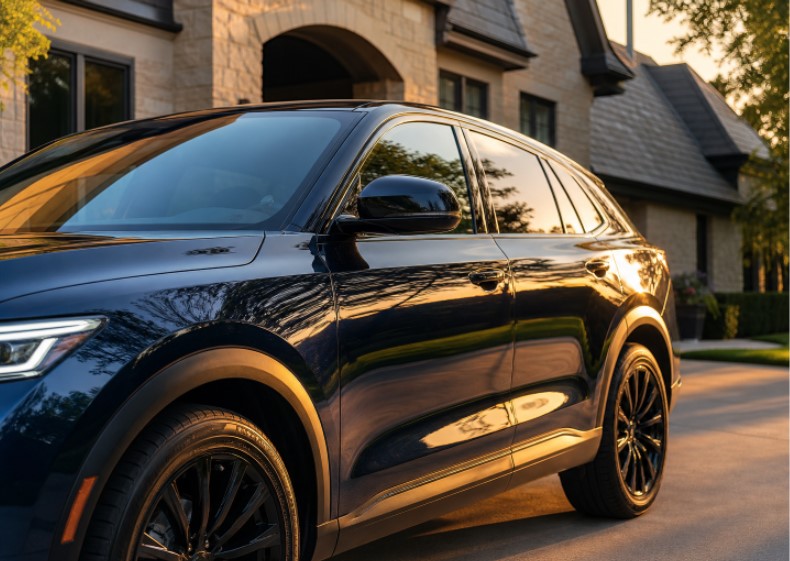
Glenview drivers put their vehicles through a wide range of conditions. Winter salt, slushy roads, summer sun, expressway debris, tree sap, and crowded parking lots can all affect comfort and appearance. The best exterior upgrade starts by considering where, how, and how often you drive, not simply by choosing the trendiest product.
For example, a daily commuter traveling through Glenview and nearby North Shore communities may prioritize easier cleaning and windshield-area glare reduction, while a weekend performance car may need stronger defense against paint chips. Exploring ceramic coating for cars in Glenview, IL, can be a practical first step for owners who want a cleaner-looking finish with less effort between washes.
Start With a Realistic Protection Plan
There is no universal package that suits every vehicle. A family SUV parked outside near school pickup may face door dings, dirt, and salt residue. A truck that regularly uses I-94 or the Edens Expressway may encounter gravel and road debris. A garage-kept vehicle may need less impact protection but still benefit from UV control and a well-maintained finish.
Before selecting materials, identify the main goal: a cooler cabin, better privacy, fewer rock chips, easier washing, a color change, or a combination. Owners comparing options for automotive ceramic coating near me should also consider annual mileage, outdoor parking, road-trip frequency, and whether the vehicle is likely to be traded or kept for many years.
Match the Upgrade to the Problem
- Heat, glare, and bright sun: Consider automotive window film designed for solar control.
- Rock chips and road rash: Consider paint protection film, especially on forward-facing panels.
- Water spots, grime, and frequent washing: Consider ceramic coating after proper paint preparation.
- Color changes or graphics: Consider a vinyl wrap if the original paint is in sound condition.
- Swirls, dullness, or oxidation: Start with detailing and paint correction before applying a protective product.
These services can work together, but they solve different problems. Paying for a ceramic coating when the real concern is highway chip damage, for example, can lead to disappointment.
Window Tint for Heat, Glare, and UV
Window-film darkness is commonly described by visible light transmission, or VLT. A lower VLT allows less visible light through the glass and creates a darker appearance. That number alone does not explain heat rejection, glare control, or UV filtering.
Dyed, carbon, metallic, and ceramic films vary in appearance and performance. Ceramic film is often chosen for solar control without relying only on darkness, while metallic films may be a concern for certain electronic signals. Nighttime visibility also matters, particularly during Glenview winters when wet pavement, snow, and early sunsets can make darker side windows more challenging.
Dark film is not automatically better for UV protection. The clear UV-blocking film used on non-windshield glass may block up to 99 percent of ultraviolet light without making the windows look dark. That can be useful for drivers who want protection while maintaining a lighter appearance.
Check Illinois Tint Requirements Before Installation
Window-tint rules can depend on the window location, vehicle type, light transmission, and possible medical exemptions. Confirm current Illinois requirements before installation, because a film’s advertised VLT is not necessarily the final reading after it is applied over factory glass.
Measuring the completed glass-and-film combination matters. Federal glazing requirements for new vehicles and state rules for vehicles on the road are separate issues. States may regulate how owners modify vehicle glazing after a vehicle is sold, so a compliant plan should account for both visibility and local operating requirements.
Paint Protection Film Versus Ceramic Coating
Paint Protection Film
Paint protection film, often called PPF, is a physical barrier installed over painted surfaces. It is especially useful for the front bumper, leading hood edge, fenders, mirror caps, rocker panels, door cups, and other places exposed to debris. For Glenview owners who make frequent highway trips, PPF can help preserve high-impact areas that are vulnerable to chips.
Ceramic Coating
Ceramic coating bonds to the prepared exterior surface and can improve gloss, water behavior, and routine washability. It is not a thick shield against stones or parking-lot impacts. A coated vehicle still needs regular washing, especially after exposure to winter brine, salt, bird droppings, or tree residue.
- Choose PPF when impact protection is the priority.
- Choose ceramic coating when appearance and simpler maintenance are the priority.
- Combine both when exposed front panels need physical protection, and the entire vehicle needs easier upkeep.
When a Vinyl Wrap Makes Sense
A vinyl wrap can change a vehicle’s color, finish, or graphics without a traditional repaint. Gloss, satin, matte, metallic, and printed styles give Glenview vehicle owners plenty of visual options. However, the original finish should be inspected first. Peeling clear coat, rust, loose paint, and severe damage can create issues during installation or removal.
Wrap care also differs from conventional paint care. Use gentle wash methods, clean microfiber towels, and products appropriate for the film finish. Avoid abrasive compounds and aggressive brushes that can dull or lift edges.
Preparation, Questions, and Aftercare
Preparation often determines the finished result. Before film, coating, or wrap installation, wash the vehicle thoroughly, remove tar and embedded contaminants, inspect paint and glass, and document existing chips or scratches with dated photos. Premium material cannot hide neglected paint, dirty glass, or failing clear coat.
Before paying, ask which material will be used, which panels or windows are included, whether paint correction is part of the quote, how edges and sensors are handled, and what the warranty covers. Also, ask when washing can resume. New window film can show temporary haze or small moisture pockets while it cures, so follow the installer’s care instructions rather than assuming there is a defect.
A Simple Glenview Decision Guide
- If the cabin feels uncomfortably hot: Compare compliant solar-control films.
- If highway debris is the largest concern: Prioritize PPF on the bumper, hood, mirrors, and rocker panels.
- If washing takes too long: Consider ceramic coating after thorough surface preparation.
- If the vehicle needs a new look: Compare a wrap with repainting, but inspect the paint first.
- If the budget is limited: Protect the highest-risk areas before adding cosmetic upgrades.
The right upgrade for a Glenview, Illinois vehicle should reflect real driving conditions and realistic maintenance habits. A careful inspection, a clear scope of work, a legal tint check, and proper aftercare will help window film, PPF, ceramic coating, wraps, and detailing provide value long after installation.


