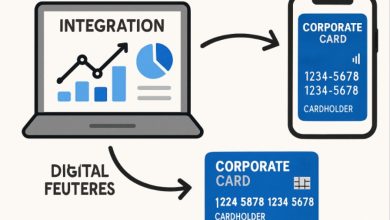
Modern workplaces are experiencing a profound transformation in how employee benefits are managed. The once time-consuming and labor-intensive process of managing benefits—riddled with paperwork, repetitive manual data entry, and chaotic communication—has begun to fade into obscurity. Digital tools have taken center stage, enabling employers to efficiently organize, communicate, and deliver comprehensive benefits to their workforce. For organizations aiming to streamline your benefits administration, these innovations offer tremendous opportunities to not only simplify workflows but to reduce costly errors substantially. The speed, clarity, and accuracy of digital systems enable HR teams to focus on engaging strategically with people and business issues, rather than getting bogged down by administrative tasks.
Employees benefit from digital evolution through easier access to benefits, increased autonomy, and improved engagement. As companies integrate advanced digital solutions, they enhance employee satisfaction and streamline administrative tasks, significantly shifting HR strategies towards better support for well-being. These tools not only automate processes but also offer personalization and agility, making organizations more responsive to changes in the labor market. This seamless benefits experience is becoming crucial for attracting and retaining top talent in competitive environments.
Streamlining Benefits Enrollment and Management
For years, benefit enrollment periods involved cumbersome paperwork, confusing brochures, and endless follow-ups with HR departments. This made a process that should have been empowering instead exhausting and prone to errors from manual handling. Today, digital platforms have dramatically slashed these longstanding administrative pain points. Employees can now compare options, simulate outcomes, and confidently make benefit choices online, at their own chosen pace—which in itself can alleviate decision fatigue. As highlighted by SHRM, user-friendly digital systems not only enhance the enrollment process but also free HR professionals from repetitive, manual tasks, allowing them to focus on larger strategic initiatives, such as improving workplace culture or supporting talent development.
For organizations, this digitization translates into tangible savings of both time and resources. Common errors and redundancies in paperwork are minimized, and sensitive personal data is better protected through secure, encrypted access controls. Digital records make it easier to trace decisions and correct mistakes when necessary. Employee satisfaction consistently climbs, as benefits become more transparent, accessible, and easily understood through clear dashboards and straightforward plan comparisons. Faster response times and a smoother process overall demonstrate to staff that their needs are a priority.
Personalizing Employee Experiences with AI and Automation
Artificial Intelligence (AI) and intelligent automation are major forces reshaping benefits administration globally. AI can sift through large amounts of data to uncover patterns and preferences, enabling employers to design and recommend benefits packages explicitly tailored to individuals—or to key employee segments across the business. For example, predictive analytics might suggest voluntary benefits based on an individual’s health profile, family situation, career stage, or previous choices—leading to higher engagement and utilization rates because employees feel their options actually reflect their needs and priorities.
Empowering Employees Through Self-Service Portals
The rise of self-service portals marks a decisive shift in who controls the benefits journey. Employees can access their benefit accounts 24/7, update personal details, initiate claims, or download necessary documentation—without having to wait for HR assistance. This flexibility boosts satisfaction and trust within organizations, since employees feel more directly connected to their benefits and in charge of their choices. Seamless access to critical information enhances employees’ confidence that their employer is committed to helping them succeed both personally and professionally.
These portals are often mobile-friendly, reflecting the reality of today’s hybrid and remote work models. No matter where employees are based, they can quickly make updates or find answers, reducing the friction that previously came from limited office hours or geographical constraints. According to the Harvard Business Review, organizations that make benefits information accessible and transparent through digital portals experience measurable improvements in employee retention and overall well-being. Empowerment and control over benefits choices contribute substantially to a positive company culture and reputation.
Leveraging Advanced Analytics for Informed Decision-Making
With the integration of robust analytics tools, organizations can now gain real-time insights into benefits trends, utilization rates, and costs. This data-centric approach enables HR leaders to optimize their programs, adjust coverage where it has the most impact, and enhance the overall value of their offerings without wasting resources. By responding rapidly to what employees actually use and value, organizations can reduce waste, control costs, and improve satisfaction—ensuring that every dollar spent on benefits delivers maximum positive impact.
Data from analytics tools is also invaluable for compliance efforts and benchmarking against industry best practices. Analytics equip managers to identify gaps or inefficiencies and to justify changes with clear evidence, making it easier to communicate essential plan updates to staff. When benefit strategies are grounded in solid analytics, organizations can confidently and cost-effectively adapt to changing workforce needs, evolving regulatory requirements, and shifts in the overall benefits marketplace.
Enhancing Transparency and Security with Blockchain Technology
Blockchain technology is rapidly emerging as a transformative force, particularly in sensitive fields such as healthcare benefits administration. By storing records of benefit-related transactions on decentralized networks, blockchain ensures unmatched data integrity, security, and transparency. Its immutable ledger is particularly valuable for managing claims, verifying eligibility, and processing payments—tasks that demand precise and reliable information across multiple stakeholders. This technology also streamlines verification between insurers, healthcare providers, and employers, significantly reducing the risk of fraud, discrepancies, and human error. Ultimately, these enhanced security measures ease operational burdens and strengthen trust among employers and employees alike, giving them confidence that robust, industry-leading protocols protect their sensitive data.
Addressing Employee Well-Being in the Age of AI
While AI and digital transformation offer significant advantages in employee benefits, human considerations must remain at the forefront. Employees may express concerns about privacy, fairness, or even job displacement as AI becomes more prevalent in HR systems. For instance, the algorithms powering personalized recommendations need to be free from bias, and personal data must be safeguarded rigorously. Organizations must communicate transparently about how AI is used, regularly reviewing their systems for ethical and equitable outcomes, and listening to employee feedback before rollouts or upgrades.
Balancing innovation with genuine care for employee well-being builds the trust that underpins a healthy, motivated, and loyal workforce. Regular two-way dialogue, opportunities for feedback, and clear explanations help demystify technology, ensuring employees understand how digital tools ultimately serve their interests, both on a practical and on a personal level.
Conclusion
The digital revolution in employee benefits administration is fundamentally transforming the workplace environment for both employers and employees. By investing in robust, user-friendly technologies, organizations can achieve streamlined operations, personalize the employee experience, and ensure their people feel supported, valued, and empowered. As digital tools continue to evolve and improve, businesses that prioritize innovation and thoughtful, responsible implementation will be best positioned to attract, retain, and engage top talent in the years to come.