Efficiency in the workplace is not just about speed; it also requires the right support systems in place. Many businesses focus on technological upgrades or process innovations, but sometimes the most impactful changes come from upgrading the tools employees use every day. One often-overlooked yet highly influential tool for optimizing workflows is the utility cart. The modern custom utility cart is revolutionizing the way organizations tackle day-to-day operations, offering tailored designs that address unique challenges across industries and departments. Whether used to handle sensitive equipment, move supplies, or organize essential tools, these carts are proving to be a game-changer.
From manufacturing floors to bustling hospitals and IT departments, utility carts have evolved from simple mobile storage units into sophisticated, indispensable components of streamlined workflows. Customization is key, as companies tailor carts to fit specific job requirements and workplace settings. By adjusting to these unique needs, businesses are discovering new ways to reduce physical strain on their employees, lower workplace injuries caused by improper ergonomics, and move toward environments that are not just productive but also supportive of long-term wellness and safety.
The Role of Utility Carts in Modern Workspaces
Utility carts have long played an integral role in the daily operations of diverse workspaces, serving as mobile workstations, efficient storage solutions, and reliable aids for transporting a wide range of equipment and supplies. Their universal appeal lies in their remarkable versatility—making them suitable for countless settings, from health care environments and warehouses to research laboratories and educational institutions. The ability to fully customize utility carts empowers industries to address everyday operational bottlenecks that slow productivity, ultimately facilitating smoother, more consistent daily processes.
For example, in the dynamic, often unpredictable setting of a hospital, having organized, specialized carts allows staff to respond quickly and effectively to emergencies or routine tasks alike, ensuring that essential supplies are always within reach. Manufacturing facilities, particularly those with complex assembly lines, benefit from custom carts that sort tools and fasteners for specific projects. This organized approach streamlines assembly lines and virtually eliminates wasted movement and time spent searching for missing items. Across countless industries, the utility cart’s unmatched ability to adapt to specific workplace needs makes it a critical piece of the efficiency puzzle, delivering tangible benefits that go far beyond simple transportation.
Designing for Specific Tasks
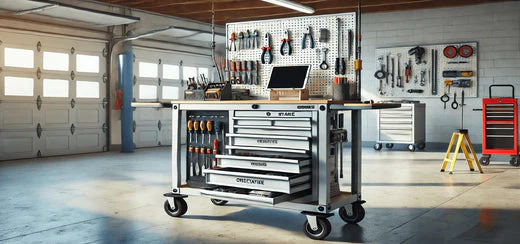
Task-specific design is at the very core of custom utility cart innovation. Modern workplaces often have unique demands, and rather than settling for a generic one-size-fits-all solution, organizations now look for carts that can be configured to their precise requirements. Modern utility carts incorporate a diverse array of features, including adjustable shelving, specialized storage compartments for secure item handling, integrated charging stations, and attachments for specialized equipment or tools. These innovative additions are designed to address the challenges of each workplace, simplifying tasks and reducing wasted effort.
Ergonomic design elements, such as soft-grip and height-adjustable handles, play a crucial role, particularly for environments where employees push carts for extended periods. These elements reduce fatigue, help prevent workplace injuries, and generally support employee well-being while also maximizing productivity. The importance of ergonomics in the workplace cannot be overstated, as it directly correlates with worker health, morale, and efficiency. With the flexibility provided by custom carts, companies no longer need to compromise between meeting operational needs and safeguarding employee health—they can achieve both at once.
Enhancing Safety and Ergonomics
Custom utility carts go beyond simple organization—they also set the standard for workplace safety. Adding features such as locking casters increases stability and prevents unwanted movement, especially on sloped or irregular surfaces. In contrast, custom compartments ensure that hazardous materials, sensitive pharmaceuticals, or delicate instruments are held securely. This level of control is fundamental in sectors such as healthcare and chemical laboratories, where safety standards are stringent, and compliance is crucial to daily operations.
Adjustable shelves and modular design options allow workers to arrange supplies at optimal heights, minimizing awkward bending or reaching and significantly lowering the risk of repetitive strain injuries. In environments where lifting and moving are frequent, a poorly designed cart can quickly lead to back injuries or chronic discomfort. However, when carts are thoughtfully tailored to their intended environment and user base, they create a safer workplace where risks are minimized, and staff morale is higher. Enhanced physical well-being also translates into increased job satisfaction and lower turnover rates, further boosting operational stability for organizations.
Material Selection and Durability
Durability is a critical element that defines the actual value of any utility cart. Unsuitable materials may lead to frequent maintenance, replacements, or even accidents due to cart failures. Durable materials, such as high-density polyethylene (HDPE), stainless steel, and powder-coated metals, are common choices where long-term performance and resilience are valued over upfront costs. While HDPE offers excellent resistance to dents and scratches, it also withstands repeated cleaning, making it an ideal choice for medical and laboratory settings. Stainless steel, prized for its strength and non-porous, easy-to-sterilize surface, is often used for heavy-load or sterile environments, where hygiene is a top priority.
Investing in quality materials may entail a higher initial cost, but this approach yields significant long-term savings by reducing the frequency of repairs and replacements. Additionally, durable carts are less likely to fail during critical moments, which could otherwise lead to delays, safety hazards, or costly downtime.
Conclusion
Custom utility carts are redefining what it means to have an efficient and safe workplace. By combining thoughtful, task-oriented design with robust materials and attention to ergonomics, organizations can create operational environments that unlock productivity and safeguard employee health. As more industries recognize and invest in these specialized tools, the ripple effects are apparent: streamlined workflows, stronger safety records, reduced long-term costs, and workplaces that are equipped to meet the unique demands of the future.