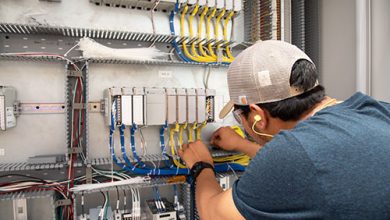
Why Regular Appliance Maintenance Matters
Home appliances have become essential in creating a comfortable and efficient living environment, saving us countless hours every week. However, when appliances go unchecked, minor issues can develop into major breakdowns, often at the least expected times. A recent survey found that 30% of household appliance failures could have been avoided with timely cleaning or routine inspection. Proactive maintenance not only minimizes unexpected expenses, but it also ensures appliances operate safely and reduces energy waste.
Sourcing quality parts is a crucial aspect of effective maintenance. For popular brands, having access to original replacements, such as Samsung parts ensures that repairs are reliable and restore full functionality. For example, promptly replacing a worn refrigerator gasket with a genuine seal can improve energy efficiency and prevent food waste. Small maintenance actions, such as checking filters or tightening connections, add up to significant savings and longer-lasting equipment.
Common Signs Your Appliance Needs Attention
- Odd or loud noises during operation, such as rattling, grinding, or banging
- Unusual vibrations or shaking, especially when appliances aren’t overloaded
- Puddles, leaks, or visible rust beneath or around the appliance
- Decreased performance, like clothes coming out damp from the dryer or food not cooling properly in the refrigerator
- Electronic displays showing error codes or blinking indicators
- Unresponsive control panels, buttons, or sensors
Observing these symptoms early can help homeowners avoid expensive breakdowns or needless replacements. For instance, excessive vibration in a washing machine may indicate that the load isn’t balanced or that the leveling feet need adjustment. Meanwhile, water pooling under a dishwasher could signal a simple gasket issue. Monitoring appliances and responding quickly to these cues helps keep daily routines on track, and addressing problems swiftly can also contribute to household safety.
Helpful DIY Troubleshooting Steps
Addressing appliance issues often starts with a few simple checks. For safety, always unplug your appliance or disconnect it from the power source before you begin. It avoids electrical hazards and prevents accidental resets. Next, consult the user manual—manufacturers typically include troubleshooting guides that spotlight common problems and simple fixes.
Simple tasks, such as cleaning a dryer’s lint filter or a dishwasher’s spray arm, are essential for both performance and safety. The team at Consumer Reports recommends routine cleaning and periodic part replacements as cost-efficient ways to keep appliances running longer. For example, vacuuming the back of your refrigerator or replacing a clogged washing machine filter can drastically improve function.
When to Call In a Professional
While many appliance problems are easy to resolve at home, some situations are best left to certified experts. Electrical faults, gas leaks, recurrent tripping of circuit breakers, or persistent malfunctions often require the expertise and specialized diagnostic equipment of professional technicians. Additionally, attempting major repairs might void your manufacturer’s warranty or present risks of injury.
A good rule of thumb: when in doubt, reach out. Professionals can also source specialized replacement parts and ensure that installations meet safety standards. Over the years, this approach can help you avoid bigger headaches—and may even be required on newer, digitally controlled appliances.
Essential Tools Every Homeowner Should Have
- Sturdy multi-bit screwdriver set for most hardware jobs
- Needle-nose and locking pliers, ideal for tightening, gripping, and removing small parts
- Digital multimeter to check electrical outlets and diagnose power issues safely
- A bright flashlight or headlamp for inspecting dark interiors and corners
- Small adjustable wrench for tightening plumbing lines or appliance legs
- Utility knife and sturdy gloves for cutting packaging and hoses and protecting your hands
These tools help convert daunting repairs into straightforward fixes, empowering homeowners to manage unexpected issues with confidence. For instance, a multimeter can verify if your washing machine is receiving power before you call for help. A simple toolkit also brings peace of mind, knowing you can react promptly when something needs attention.
Extending Appliance Lifespan: Tips From Experts
Preventive care is crucial for maintaining the longevity and optimal performance of appliances. Avoid overloading appliances, use recommended settings, and allow air circulation. Regularly clear vents, defrost freezers, and keep appliances dry after use to prevent buildup, corrosion, and mold. Professionals recommend inspecting appliances at the end of each season and maintaining small habits, such as wiping seals dry and checking hoses for cracks. This routine can save money and household resources, allowing appliances to last for years without replacement.