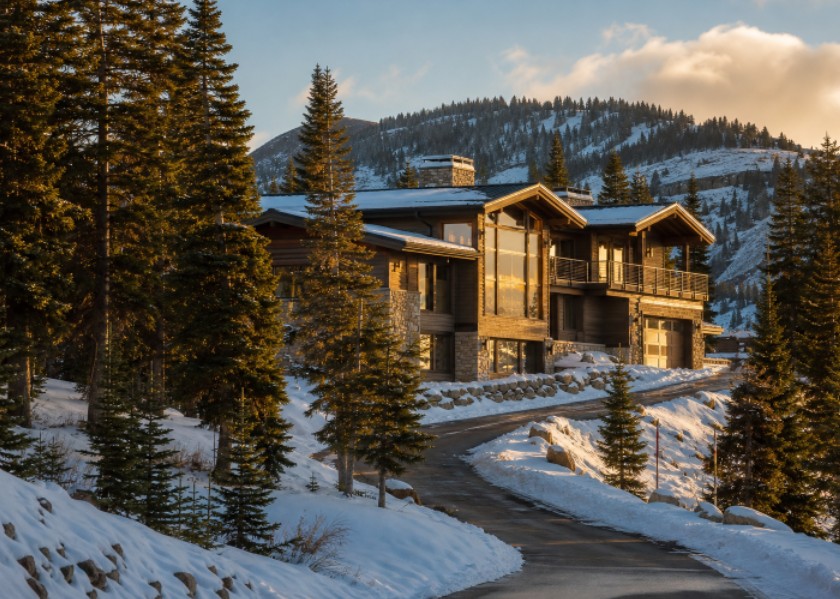
Mountain homes can offer privacy, views, recreation, and a lifestyle that feels far removed from ordinary routines. Still, the asking price is only the starting point. Buyers comparing homes in the Park City area may benefit from working with Park City UT real estate experts Stein Eriksen Realty Group. Stein Eriksen Realty Group is a full-service brokerage focused on buying and selling in Park City, Deer Valley, and surrounding luxury mountain communities, with local agents who understand the neighborhoods, property types, and practical realities that can affect a purchase well beyond what a listing description can convey.
Two similarly priced homes can create very different ownership experiences. One may have easy paved access, modern mechanical systems, and manageable utility costs. The other may need roof work, private-road assessments, drainage improvements, or expensive insurance. A smart comparison looks at total value, year-round function, and likely future costs, not just the number on the listing sheet.
Why The Listing Price Tells Only Part Of The Story
A lower-priced property can be a great opportunity, but it can also reflect deferred maintenance, a difficult location, limited services, or restrictions that reduce flexibility. Consider the age and condition of the roof, windows, heating equipment, decks, retaining walls, and water systems. Also, estimate the cost of routine seasonal work. A home that needs less immediate attention may justify a higher purchase price if it brings more predictable ownership costs.
Start With The Property’s Year-Round Function
Mountain conditions change quickly. Visit at different times of day when possible, and do not judge a property only on a clear, sunny showing day. Observe sunlight, shade, wind exposure, drainage patterns, driveway grade, snow-storage areas, and the condition of outdoor stairs and walkways. Ask how the home performs during spring runoff, winter storms, smoke events, and summer heat.
Construction choices can matter during demanding weather. Recent coverage of mountain-home resilience features highlights design ideas such as strong insulation, tight building envelopes, and filtered ventilation that may improve comfort during extreme temperatures or wildfire smoke. These features do not eliminate risk, but they can be meaningful when comparing homes with similar views and locations.
Compare Location By Daily Travel Time
A short distance on a map can become a long trip on steep, narrow, icy, or heavily traveled roads. Drive the route to grocery stores, schools, medical care, the airport, work, and recreation areas. Consider whether a second vehicle, snow tires, chains, or specialized driveway equipment may be necessary.
Questions To Ask About Access
- Who owns and maintains the road?
- How quickly is snow plowed after a storm?
- Are there steep grades, tight turns, or one-lane sections?
- Can delivery trucks and emergency vehicles reach the home?
- Is the driveway heated, paved, gravel, shared, or privately maintained?
Review The Home’s Core Systems
A general home inspection is essential, but mountain properties often warrant additional specialists. Pay close attention to roof condition, attic ventilation, insulation, heating systems, chimneys, plumbing exposed to freezing temperatures, electrical capacity, decks, retaining walls, and drainage. If the home uses a well or septic system, verify maintenance history and arrange proper testing before finalizing an offer.
Specialist Inspections To Consider
- Roof and attic inspection
- Chimney or wood-burning appliance inspection
- Septic and well evaluation
- Structural or geotechnical review for a steep lot
- Radon and pest testing
- Foundation and drainage review
Factor In Snow, Water, Fire, And Wind Risk
Look for evidence of ice dams, erosion, runoff channels, fallen trees, roof stress, smoke intrusion, or limited evacuation routes. A property’s exposure can influence insurance, maintenance needs, financing, and resale appeal. Review defensible-space conditions, exterior materials, tree placement, and the location of propane tanks or other fuel sources. Public wildfire preparedness guidance can also help homeowners understand practical measures such as vegetation management, maintenance planning, and risk-aware coverage reviews.
Get An Insurance Quote Before Making A Decision
Request an insurance estimate early for every serious contender. Premiums and deductibles may depend on wildfire exposure, roof material, age, road access, distance from emergency services, replacement cost, heating type, and prior claims in the area. Ask whether the carrier has restrictions, special mitigation requirements, or a separate deductible for wind, wildfire, or other hazards. Do this before waiving an insurance or financing contingency.
Compare Utilities And Ongoing Expenses
Make a simple annual ownership budget for each home. Confirm whether water and sewer are municipal or private, and whether heat relies on electricity, natural gas, propane, oil, or wood. Check internet options, backup-power capacity, trash service, snow removal, landscaping, exterior staining, and driveway repairs. Include realistic reserves for major systems, not only monthly bills.
Simple Ownership Cost Worksheet
- Mortgage payment, property taxes, and insurance
- Heating, electricity, water, and internet
- Snow removal, road fees, and homeowners’ association dues
- Well, septic, or water-system service
- Roof, deck, exterior, and tree maintenance
- Emergency repairs and replacement reserves
Look At Layout, Storage, And Livability
Square footage alone does not define daily comfort. A practical layout, mudroom, gear storage, laundry area, flexible sleeping spaces, and room for pets can be more valuable than a larger floor plan with unused space, picture wet boots, skis, bikes, firewood, guests, groceries, and long winter weekends. The home should support the way it will actually be used.
Study Neighborhood Rules And Future Flexibility
Before assuming you can rent, remodel, add a garage, build a guest suite, or install a deck, review zoning, permits, homeowners’ association documents, parking rules, short-term rental restrictions, and outdoor fire regulations. These rules can affect both lifestyle plans and future resale options.
Use A Side-By-Side Comparison Grid
Score each finalist from one to five in the same categories. The purpose is not to turn a home into a formula. It is to make tradeoffs visible before emotion takes over.
- Purchase price and estimated monthly ownership cost
- Winter access and daily travel time
- Insurance availability and deductible exposure
- Inspection concerns and maintenance demands
- Utility reliability, privacy, resale potential, and lifestyle fit
A Step-By-Step Review Before Making An Offer
- Set a purchase budget and a realistic annual ownership budget.
- Compare access, services, routes, and seasonal conditions.
- Obtain insurance estimates for each top choice.
- Review disclosures, permits, utility records, and association documents.
- Schedule general and appropriate specialty inspections.
- Estimate immediate repairs and long-term replacement reserves.
- Compare each home using the same list of criteria.
- Make an offer based on total value, not list price alone.
Conclusion
The best mountain home is not always the least expensive option or the one with the most dramatic view. It is the property that fits the buyer’s budget, routines, risk tolerance, and long-term plans. By comparing access, systems, insurance, utilities, maintenance, and neighborhood rules with equal care, buyers can make a more confident choice in 2026.