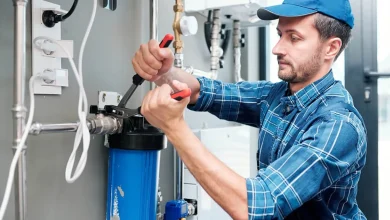
Effective water management is becoming a cornerstone in the quest for sustainability within our homes. As environmental concerns escalate and water shortages become more prevalent, embracing efficient water management solutions is imperative for both the environment and our daily lives. By engaging with experienced organizations like Atlantic Blue Water Services, homeowners can take critical steps towards safeguarding our precious water resources for the future while reaping immediate benefits.
Why Water Management Matters
Water, vital for sustaining life, is facing unprecedented challenges due to increasing demand and environmental changes. In many parts of the world, water scarcity has become a pressing issue, affecting millions of lives and exerting stress on ecosystems. The efficient use of water conserves this invaluable resource and mitigates its over-exploitation. Furthermore, the financial implications are substantial, as optimizing water use directly correlates with reduced utility costs. Households that implement sustainable water management techniques not only lessen their impact on the environment but also drastically lower their costs, which promotes cost-effectiveness and responsibility.
Practical Tips for Water Conservation
Household Water-Saving Techniques
Integrating water-saving techniques into daily routines can have a profound impact. The installation of low-flow showerheads and faucets, for example, cuts water use dramatically without compromising performance. Additionally, incorporating rain barrel systems can harness natural precipitation, representing a reliable water source for lawns and gardens. These systems are relatively easy to install and maintain, offering a practical solution that aligns with sustainable living principles.
Family Education
Educating family members about water conservation is crucial. Children and adults alike can engage in water-saving behaviors, such as shutting off the tap while brushing teeth, opting for shorter showers, and utilizing a broom instead of hosing down driveways. These small habitual changes, when practiced consistently, contribute significantly to reducing household water consumption and instilling a culture of awareness and responsibility.
Role of Smart Technology in Water Management
The advent of smart technology is revolutionizing water management by offering tools that allow precise monitoring and optimization. Smart irrigation systems, for instance, leverage weather data to adjust watering schedules, minimizing waste and ensuring plants receive adequate hydration only when necessary. Moreover, the rise of smart water meters presents a groundbreaking approach to consumption tracking. These devices provide accurate data about water usage, enabling homeowners to quickly identify leaks or inefficiencies and address them before they escalate into costly issues.
Understanding Water-Saving Devices
Appliances for Efficiency
A wide range of water-efficient appliances is available for homeowners seeking to reduce their footprint. High-efficiency dishwashers and front-loading washing machines use significantly less water compared to conventional models while maintaining top performance standards. Investing in these devices not only ensures long-term savings through reduced water bills but also supports overall sustainability goals by minimizing resource wastage.
Innovations in Water Technology
Continuous innovations in water-saving devices make it increasingly feasible for homeowners to integrate these technologies into everyday life. Innovations in smart irrigation systems, for example, are transforming how gardens and lawns are managed, offering advanced options that align with modern ecological needs and preferences. These systems ensure that landscaping requires minimal manual intervention, optimizing both water use and plant health.
Sustainable Landscaping for Water Conservation
Sustainable landscaping practices offer another avenue for water conservation. Techniques like Xeriscaping, which involves designing landscapes to reduce or eliminate the need for irrigation and planting native species that thrive in local climates, significantly cut down on water use. Additionally, methods such as landscape contouring focus on shaping the land to capture and retain rainwater effectively. These practices not only conserve water but also enhance the beauty and resilience of yards, reducing the need for chemical fertilizers and pesticides.
Encouraging Community Involvement
Community involvement amplifies the impact of water conservation efforts. Collective projects and initiatives can mobilize entire neighborhoods, creating a ripple effect that leads to substantial environmental benefits. By participating in or starting local water conservation groups, individuals can play a pivotal role in community-focused actions, sharing knowledge, resources, and inspiration to pursue more sustainable lifestyles. Successful projects worldwide demonstrate that collaborative efforts can lead to meaningful changes and foster a sense of community and shared purpose.
Future of Water Management
As we look to the future, the integration of technology and policy will further develop the landscape of water management. Artificial intelligence holds great promise for refining water usage patterns and facilitating smarter resource allocation. Meanwhile, national policies and global strategies continue to evolve, influencing local practices and setting standards for sustainable water management practices. As these trends evolve, the commitment of individuals and communities to water conservation will remain crucial in driving meaningful, long-term change toward a more sustainable world.