Control projects can run into trouble long before programming starts if nobody has clearly defined who supplies, connects, programs, and tests each part of the system. Early scope planning separates assumptions from actual responsibilities and gives contractors, equipment vendors, and plant personnel a common reference point. Clear boundaries also help integrated control systems come together without discovering late in the project that an important device or task belongs to no one.
A Good Controls Scope Starts With Equipment Boundaries
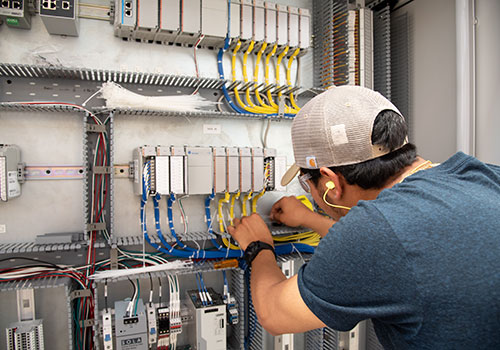
Scope development begins by identifying exactly which machines, panels, field devices, networks, and software platforms belong to the controls package. Engineers may mark physical limits on drawings while also listing interfaces with process equipment, utilities, existing PLCs, and third-party systems. Industrial automation system integrators often review these boundaries before quoting the work because two projects with similar equipment counts can require very different levels of integration. Written responsibility tables can further identify who provides control panels, instruments, disconnects, network switches, programming licenses, cable, commissioning support, and final documentation.
Who Owns the Interfaces Between Separate Equipment Packages?
Electrical and mechanical equipment packages often meet at signals that neither supplier considers entirely their responsibility. Mechanical vendors may provide pumps, skids, chillers, or conveyors with local controls, while the plant expects those packages to communicate with a central PLC or HMI. Experienced control integrators determine which commands, statuses, alarms, permissives, and process values must cross that boundary before engineers finalize panel designs.
Vendor coordination becomes particularly important when packaged equipment arrives with its own PLC, proprietary network, or limited communication options. Questions about protocols, available tags, remote start capability, fault reset, safety interfaces, and data ownership should be settled before installation. Defined interfaces keep the main automation contractor from discovering during startup that a vendor controller cannot provide a signal the plant expected to use.
Field I/O Lists Turn General Scope Into Specific Work
Signal lists make the project measurable by identifying each sensor, switch, valve, motor command, analog value, and equipment status that the control system needs. An integrator in control system planning can use the I/O list to estimate PLC capacity, remote racks, terminal space, cable needs, and programming effort while spotting signals that lack a clear source. Accurate lists also reveal whether a point comes from hardwired I/O, an industrial network, or another controller. Detailed tagging at this stage reduces confusion later because electricians, programmers, and commissioning teams can all refer to the same device names.
How Much Programming and HMI Work Is Actually Included?
Software scope should describe more than a general promise to “program the PLC.” Programmers need to know whether the project includes sequence logic, PID loops, equipment modules, alarm handling, data collection, recipe management, communications, historian connections, or modifications to existing code. Skilled industrial control systems companies also establish who owns source-code standards, naming conventions, backups, software licenses, and access credentials.
Operator-interface work deserves the same level of detail because one HMI screen can range from a simple status page to a complete operating station with trends, alarms, diagnostics, security, and manual controls. Decisions about graphics, navigation, user levels, alarm priorities, and historical data influence both engineering hours and commissioning time. Practical scope documents define whether new screens will follow an existing plant standard or require a fresh design.
Network Responsibilities Need Their Own Clear Boundary
Network work can cross automation, electrical, and IT responsibilities, making vague ownership especially risky. Modern integrated control systems may depend on managed switches, fiber links, VLANs, remote access, industrial Ethernet, server connections, and communication with plant business systems. Established control integrators can identify which network components belong inside the automation package and which require support from the facility’s IT department. Shared planning also clarifies who assigns IP addresses, configures switches, supplies fiber infrastructure, approves firewall rules, and troubleshoots connections during startup.
Testing and Commissioning Scope Should Be Agreed on Before Startup
Testing requirements affect scheduling, labor, travel, production downtime, and coordination with other contractors. Factory acceptance testing may include panel inspection, PLC simulation, HMI checks, communication tests, and customer demonstrations before equipment leaves the shop. Site acceptance work can then cover field I/O, motor rotation, instrument readings, interlocks, sequences, alarms, network connections, and operation under actual process conditions.
Acceptance criteria should state who witnesses each test and what qualifies the system for handoff. Punch-list procedures can separate items that prevent operation from minor documentation corrections that can be finished afterward. Agreed commissioning responsibilities also prevent electricians, vendors, operators, and programmers from arriving on different days while each assumes another group will make the equipment ready.
Change Management Keeps the Scope Useful After the Project Starts
Change control matters because field conditions, equipment selections, and production requirements often shift after the original scope has been written. Future additions should be documented with their effects on hardware, software, drawings, schedule, testing, and cost rather than disappearing into informal conversations. RL Consulting offers electrical control and automation services that can help facilities define project responsibilities, coordinate control hardware and programming, establish system interfaces, and organize commissioning needs for integrated control systems, giving project teams a clearer path from early planning through final startup.