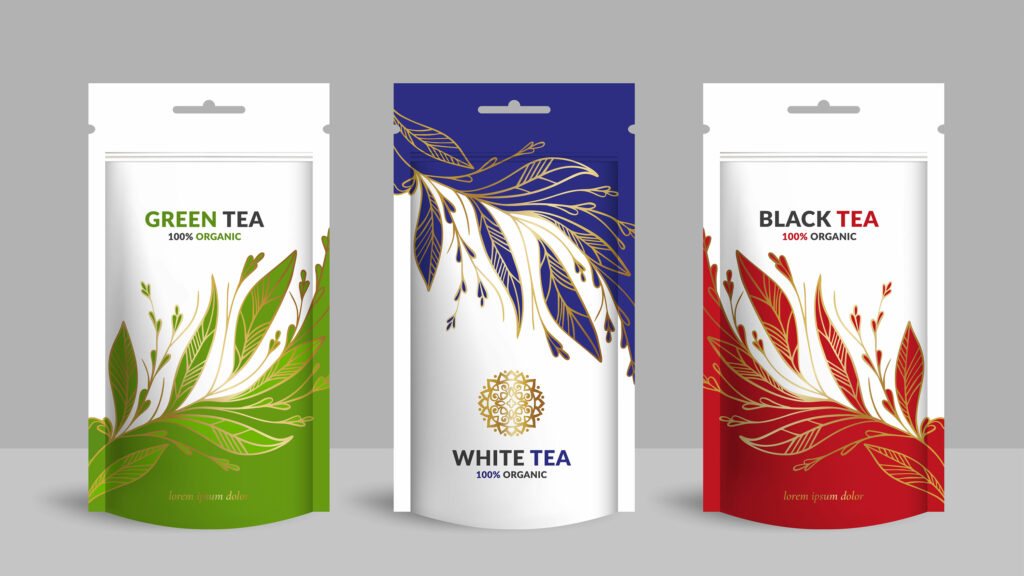
As consumer expectations change and brand competition intensifies, the landscape of product packaging is undergoing a digital revolution. No longer merely protective shells, packages have evolved into interactive touchpoints that shape the entire customer experience. At the forefront of this transformation are digital labels, empowering companies to remain agile and relevant while deepening connections with their audience. To see innovative solutions in action, look no further than Columbine Label, a leader in next-generation label printing services.
Digital labeling bridges the gap between physical products and the digital world, introducing exciting new opportunities for customization, consumer engagement, and logistical efficiency. Brands leveraging digital labels are not only streamlining their production but also giving consumers access to richer information at the point of purchase. These advancements reflect a broader shift in packaging, where every element serves to inform, delight, or safeguard the end user.
What Are Digital Labels?
Digital labels are redefining what’s possible in packaging. Unlike traditional labels that require lengthy set-up and rigid designs, digital labels are produced using electronic processes, allowing for seamless changes in graphics, variable data, and interactive elements. This flexibility means brands can instantly adapt their packaging to new regulations, seasonal campaigns, or evolving consumer preferences without incurring the prohibitive costs associated with conventional methods.
Digitally printed labels unlock new creative possibilities, from micro-batch personalization to on-demand campaign launches. With the surge of innovative packaging and industry 4.0 initiatives, they’re now essential tools for innovative product launches across industries ranging from food and beverage to pharmaceuticals and electronics.
Benefits of Digital Labels
- Flexibility: Rapidly change designs and messaging, enabling brands to react to trends, regulations, or current events with minimal downtime.
- Cost-Effectiveness: Digital processes cut out the need for expensive plates and setup, making short print runs and test launches affordable and efficient.
- Enhanced Consumer Engagement: Interactive features such as QR codes, augmented reality, and NFC tags bridge the physical and digital realms, guiding users to online content, traceability information, or multimedia experiences.
This ability to interact with consumers is revolutionizing how products are marketed and experienced, both in-store and at home. In many cases, digital labels also enable direct feedback mechanisms, build loyalty programs, and facilitate consumer-brand dialogue in ways that traditional packaging cannot.
Technological Advancements in Digital Labeling
The past decade has seen transformative breakthroughs in digital labeling:
- Augmented Reality (AR) Integration: Customers can scan specially designed labels to unlock interactive tutorials, virtual brand ambassadors, or augmented reality visuals, delivering a memorable post-purchase experience. For more insights, see this overview by Forbes.
- Smart Sensor Labels: Embedded sensors actively monitor variables such as temperature, humidity, or shock, alerting supply chain partners and consumers if a product’s safety has been compromised. This is particularly crucial for perishable and sensitive goods, as it provides real-time assurance of quality.
These advancements enable brands to offer well-differentiated products and meet the growing demands of consumers for transparency, safety, and information-rich experiences.
Sustainability and Digital Labels
With mounting environmental pressures, brands are embracing more sustainable approaches throughout their supply chains—and digital labels play a crucial role in these efforts:
- Reduced Waste: Digital printing eliminates excess inventory and minimizes makeready materials, as labels are produced on demand with pinpoint accuracy.
- Eco-Friendly Materials: Many digitally printed labels are now produced on recyclable or biodegradable substrates, significantly reducing environmental impact and supporting global recycling initiatives.
- Energy Efficiency: Digital processes are generally less energy-intensive than analogue print systems, helping businesses further lower their carbon footprint. For more information, see this sustainability spotlight from Standfast Group.
These improvements not only benefit the environment but also enhance a company’s position with eco-conscious consumers, who increasingly consider sustainability a key factor in their purchasing decisions.
Anti-Counterfeiting Measures
Brand protection has never been more critical, as global supply chains and e-commerce expose companies to new risks. Digital labels provide a robust framework for anti-counterfeiting:
- Unclonable Micro-Patterns: Microscopic designs embedded into the label materials are nearly impossible to duplicate, providing unique identifiers for every batch or even individual item.
- Camouflaged QR Codes: Security QR codes can be embedded using special inks or masking techniques, making patterns visible only under certain lighting or wavelengths, to authenticate products discreetly.
This layered approach is crucial for ensuring consumer safety and protecting brand reputation against the backdrop of sophisticated counterfeiting operations worldwide.
Future Trends in Digital Labeling
The future of digital labeling is both exciting and unpredictable, with several key trends on the horizon:
- Connected Packaging: Digital labels integrated with the Internet of Things (IoT) enable continuous data exchange, fueling advanced inventory management, clever reordering, and automatic maintenance alerts. For more insights, see this article from Forbes.
- Personalization: By harnessing customer data, brands are producing one-to-one label designs and tailored messaging that strengthen loyalty and drive engagement far beyond the shelf.
- Regulatory Compliance: With new labeling laws requiring deeper transparency, digital labels allow brands to deliver real-time, up-to-date compliance information—boosting consumer trust and ensuring legal conformance across markets.
These pathways herald a new era of “intelligent packaging,” where every label serves as a virtual handshake between producers and consumers, opening limitless opportunities for growth, personalization, and connection.
Conclusion
As innovation accelerates in the packaging space, digital labels are emerging as both a practical necessity and a tool for creative differentiation. Their unmatched agility, sustainability benefits, and security features make them essential for companies wishing to thrive in the modern, digitally connected marketplace. By embracing digital labeling, brands position themselves at the cutting edge of consumer engagement, product safety, and operational efficiency—setting the stage for long-term success in an ever-evolving world.